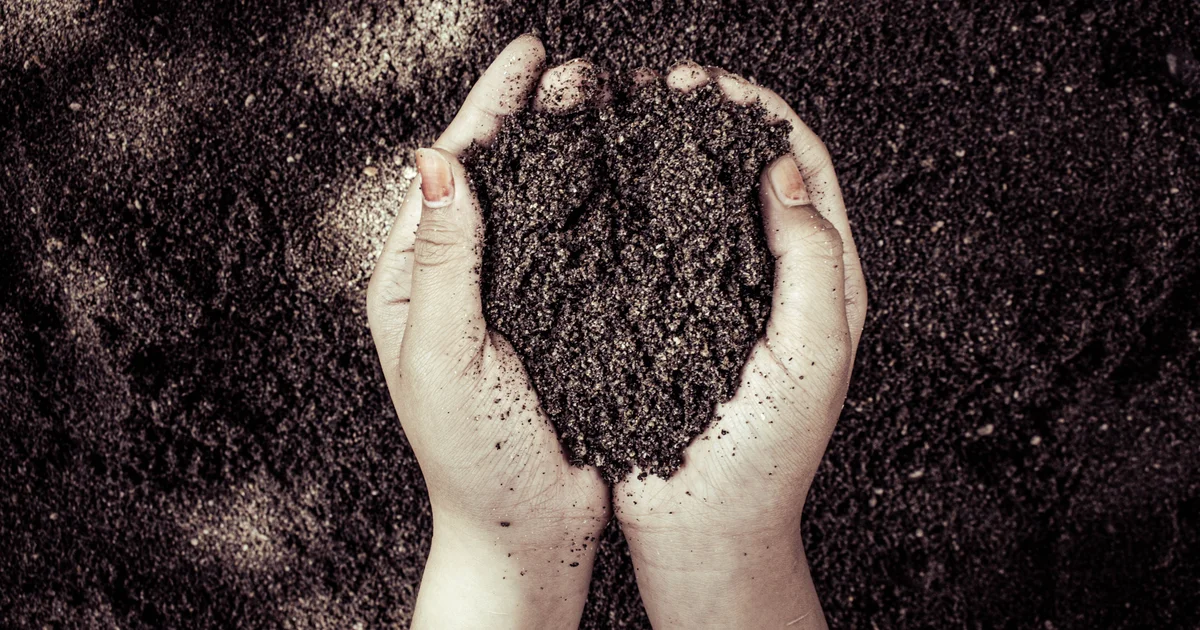
The Dirty Secret: Why Bagged Dirt is Ruining Your Container Garden
Think standard dirt is fine for your indoor pots? Think again. In a small space, cheap or heavy soil turns into a dense, suffocating brick that triggers instant root rot. This guide breaks down the simple three-ingredient master recipe to mix your own light, fluffy potting soil that lets your plants breathe, drain, and thrive. Let's fix your foundation!
The Dirty Secret: Why Bagged Dirt is Ruining Your Container Garden
Hey there, fellow plant lover!
Let’s talk dirty. Specifically, about that massive, heavy bag of "garden soil" sitting outside your local home improvement store. It's cheap, it looks dark and rich, and it seems like the most logical thing to scoop into your new cute terra-cotta pots.
But if you use it, you are setting yourself up for an indoor heartbreak.
When you are gardening in small spaces—whether that’s a studio apartment windowsill, a tiny balcony, or a dedicated plant shelf—your pots are a closed ecosystem. In the ground, nature handles drainage, earthworms aerate the earth, and excess water sinks deep into the bedrock. In a pot? That soil is trapped.
If you use standard backyard dirt or cheap garden soil inside a container, it turns into a dense, compacted brick of mud the second you water it. It suffocates your roots, traps stagnant water, and invites the dreaded root rot to destroy your green babies.
To keep your small-space garden thriving, you don't need dirt. You need a engineered, fluffy, well-draining potting mix.
Let’s unpack the anatomy of the perfect container soil so you can mix it like a pro, save your plants from drowning, and maximize every single square inch of your tiny garden.
The Three Holy Grails of Potting Mix
A spectacular potting mix does three things simultaneously: it holds onto just enough moisture to keep the plant hydrated, it lets excess water drain away instantly, and it leaves tiny air pockets so the roots can literally breathe.
To achieve this magic trifecta in small spaces, you only need three basic ingredients. Think of this as your master recipe:
1. The Base: Moisture Retention (Coir or Peat)
The bulk of your mix needs to hold water without becoming heavy mud. Coconut coir (made from processed coconut husks) or peat moss acts like a sponge, soaking up water and releasing it slowly to the roots as they need it.
- Gardener’s Choice: I highly recommend coconut coir for small spaces. It often comes in tiny, lightweight compressed bricks. You just add water, watch it expand like magic in your sink, and avoid hauling heavy 40-pound bags up apartment stairs!
2. The Drainage: Aeration (Perlite or Pumice)
If you don't add drainage, your roots will drown. Perlite—those little white styrofoam-looking dots you see in commercial mixes—is actually puffed volcanic glass. It doesn't absorb water; instead, it creates permanent physical spaces in the soil so oxygen can circulate and water can flow right through.
3. The Fuel: Nutrients (Compost or Worm Castings)
Plain coir and perlite have zero nutritional value. To feed your plants, you need a touch of organic matter. High-quality compost or worm castings (yes, worm poop!) provides a gentle, slow-release buffet of nutrients that won't burn delicate indoor roots.
Master Mix Ratios for Small-Space Success
Not all plants want the same house. A desert cactus will rot in the same soil that a tropical fern absolutely loves. Since space is limited, you don't need ten different bags of specialty soils. Just buy the three basic ingredients above and mix them in a bucket according to what you are planting:
| Plant Type | The Recipe | Why It Works |
|---|---|---|
| Tropicals & Foliage (Monstera, Pothos, Philodendron) | 2 parts Base + 1 part Drainage + 1 part Fuel | Mimics a rich forest floor. Holds moisture but drains quickly. |
| Succulents & Cacti (Snake Plants, Aloe, Jade) | 1 part Base + 2 parts Drainage + 0.5 part Fuel | Fast-draining and gritty. Dries out rapidly to prevent rot. |
| The Divas (Ferns, Calatheas, Peace Lilies) | 3 parts Base + 1 part Drainage + 1 part Fuel | Keeps things consistently damp, mimicking a misty jungle. |
3 Potting Myths to Evict from Your Apartment
When space is tight, bad advice spreads fast. Let’s bust three common container soil myths right now:
- Myth #1: Putting rocks at the bottom of the pot improves drainage. Do not do this! It actually does the exact opposite. It creates a "perched water table," moving the stagnant water closer to your plant's roots. If you want good drainage, mix perlite throughout the soil and ensure your pot has a drainage hole at the bottom.
- Myth #2: Soil lasts forever. Potting mix degrades over time. As plants drink nutrients and the organic material breaks down, the mix packs down and loses its aeration. Plan to refresh the top few inches of soil or completely repot your fast-growing plants every 12 to 18 months.
- Myth #3: You can reuse old soil from dead plants. If a plant died in a pot, don’t recycle that soil for a new green friend. It could be harboring harmful fungi, pests, or bacteria just waiting to attack its next victim. Dump it in an outdoor garden bed and start fresh for indoor containers.
Final Thoughts: Build a Strong Foundation
It is tempting to spend all your budget on gorgeous, trendy ceramic pots and rare variegated plants. But remember: the prettiest pot on earth won't save a plant stuck in suffocating mud.
Investing a little time and love into creating a lightweight, fluffy, well-oxygenated potting mix is the single greatest thing you can do for your small-space garden. Your roots will expand, your leaves will pop, and your watering routine will become incredibly forgiving.
Get your hands a little dirty, mix up a custom batch, and watch your windowsill jungle explode with growth!
What's your go-to ingredient for a fluffy soil mix? Have you ever fallen into the "garden dirt in a pot" trap? Let’s swap stories in the comments below!