Tiny Space, Green Thumbs: The Ultimate Beginner’s Guide to Balcony Gardening
Transform your small apartment balcony into a lush, productive oasis with this beginner-friendly guide. You don’t need an expansive backyard to grow your own food and connect with nature—just a few square feet of space and the right strategy. Learn how to accurately assess your sunlight, choose lightweight pots, and pick resilient starter plants like basil and mint. By mastering vertical space and avoiding common beginner pitfalls like overwatering, you can easily cultivate a thriving container garden right outside your door. Start small, dream big, and watch your green thumb grow!
Tiny Space, Green Thumbs: The Ultimate Beginner’s Guide to Balcony Gardening
You don’t need an sprawling backyard or acres of land to connect with nature and grow your own food. If you have a small apartment balcony, a little bit of sunlight, and a willingness to learn, you have everything it takes to start your very first garden.
The biggest mistake beginners make is treating a balcony exactly like a ground-level garden. Containers dry out faster, wind can be brutal, and space is a premium. But with a strategic approach, you can easily turn a few square feet of concrete into a lush, thriving oasis.
Here is exactly how to start your small-space garden from scratch, without the overwhelm.
Step 1: Read Your Space (The Sunlight Check)
Before buying a single pot or bag of soil, you need to know how much direct sunlight your balcony actually gets. Plants are picky about their lighting.
- Full Sun (6+ hours of direct light): Perfect for fruiting plants like cherry tomatoes, peppers, strawberries, and Mediterranean herbs (rosemary, thyme, basil).
- Partial Shade (3 to 6 hours of light): Great for leafy greens (spinach, lettuce, kale) and root vegetables like radishes.
- Full Shade (less than 3 hours of direct light): Stick to shade-loving houseplants, ferns, or mint (which grows practically anywhere).
Pro Tip: Spend one weekend checking your balcony every two hours from 8:00 AM to 4:00 PM. Note down when the sun hits and leaves your space. This will save you plenty of money on mismatched plants.
Step 2: The Action Plan
When you are ready to start planting, order matters. Follow this sequence to set your garden up for success right from day one.
-
Choose Your Pots & Think Weights: Day 1. Opt for containers with excellent drainage holes at the bottom. Terra cotta is beautiful but heavy and dries out fast; plastic, resin, or fabric grow bags are lightweight, hold moisture better, and are safer for balcony weight limits.
-
Buy Potting Mix (Not Garden Soil): Day 1. Never dig up dirt from the ground or buy standard "topsoil." It is too dense for containers and will compact, suffocating your plant's roots. Buy a high-quality potting mix, which is engineered to be fluffy, retain moisture, and drain easily.
-
Pick Your Beginner-Friendly Starter Plants: Day 2. As a beginner, skip growing from seeds—it takes a long time and requires precise conditions. Buy young starter plants (transplants) from a local nursery instead. Excellent starter choices include mint, basil, green onions, cherry tomatoes, and leaf lettuce.
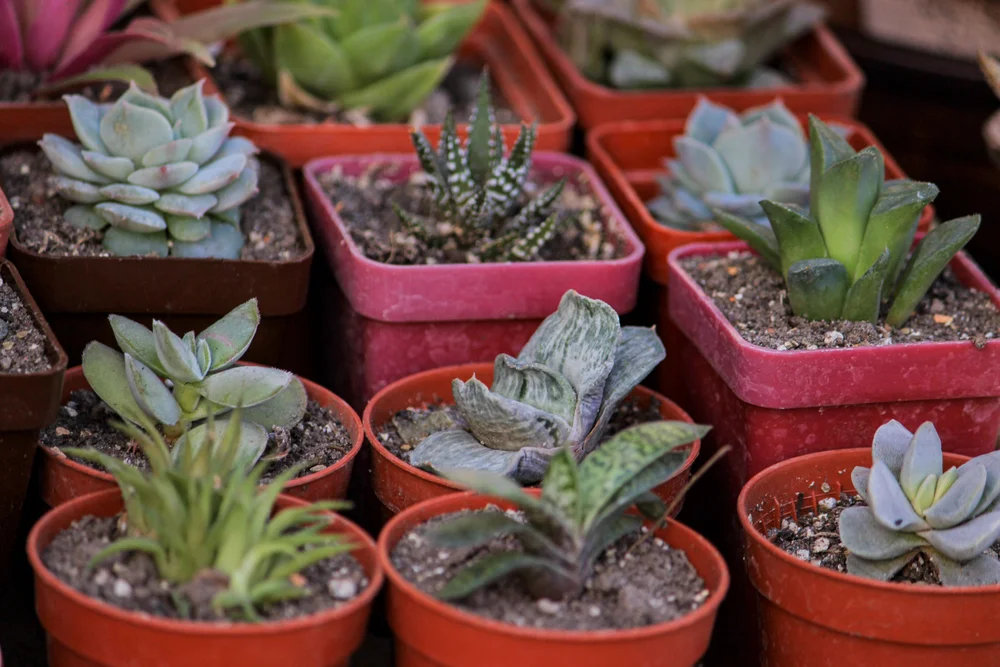
- Plant and Water Deeply: Day 2. Fill your pots with potting mix, leaving about an inch at the top. Gently loosen the roots of your nursery starter plant, place it in the soil, and pat down firmly. Water thoroughly until you see water running out of the drainage holes at the bottom.
Step 3: Master the Vertical Space
When floor space is limited, look up! A small balcony can feel twice as large if you take your plants off the floor.
| Vertical Solution | Best Used For | Why It Works |
|---|---|---|
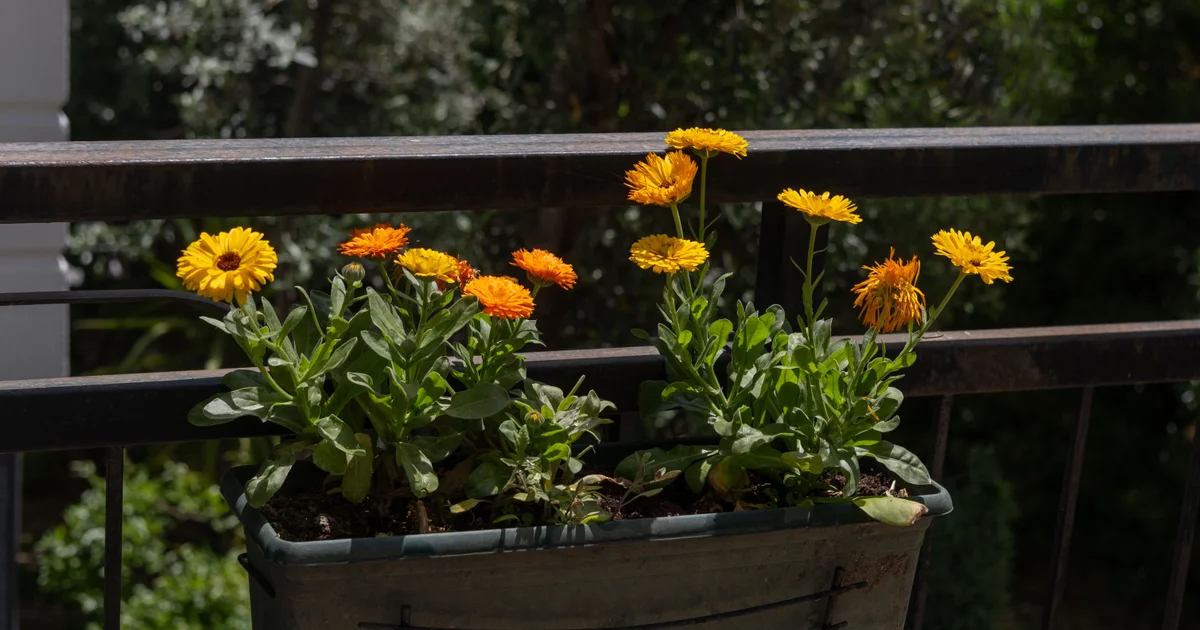
| Railing Planters | Herbs, strawberries, petunias | Sits on top of the railing, freeing up 100% of your floor space. |
| Wall Trellises | Vining plants (peas, cherry tomatoes) | Encourages plants to grow upwards against the wall rather than sprawling outward. |
| Tiered Plant Stands | Small succulent pots, leafy greens | Uses vertical shelving so you can stack three to four levels of plants in the footprint of one. |
Common Beginner Pitfalls to Avoid
- Overwatering: More indoor and balcony plants die from love than neglect. Don't water on a rigid calendar schedule. Instead, stick your finger an inch deep into the soil. If it feels dry, water it. If it feels damp, leave it alone.
- Forgetting the Wind: Balconies can get incredibly breezy, especially on higher floors. Wind dries out plants rapidly and can snap tall, top-heavy plants. Secure your pots, and consider placing fragile plants closer to the apartment wall for shelter.
- Ignoring the Neighbors: Ensure your pots have saucers underneath them to catch excess water. The quickest way to cause tension with your downstairs neighbors is by accidentally raining muddy water down onto their balcony!
Starting a garden is a rewarding learning process. You will lose a plant here and there, and that is completely normal. Start small with two or three easy herbs, get a feel for their watering rhythm, and expand your little green oasis as your confidence grows.