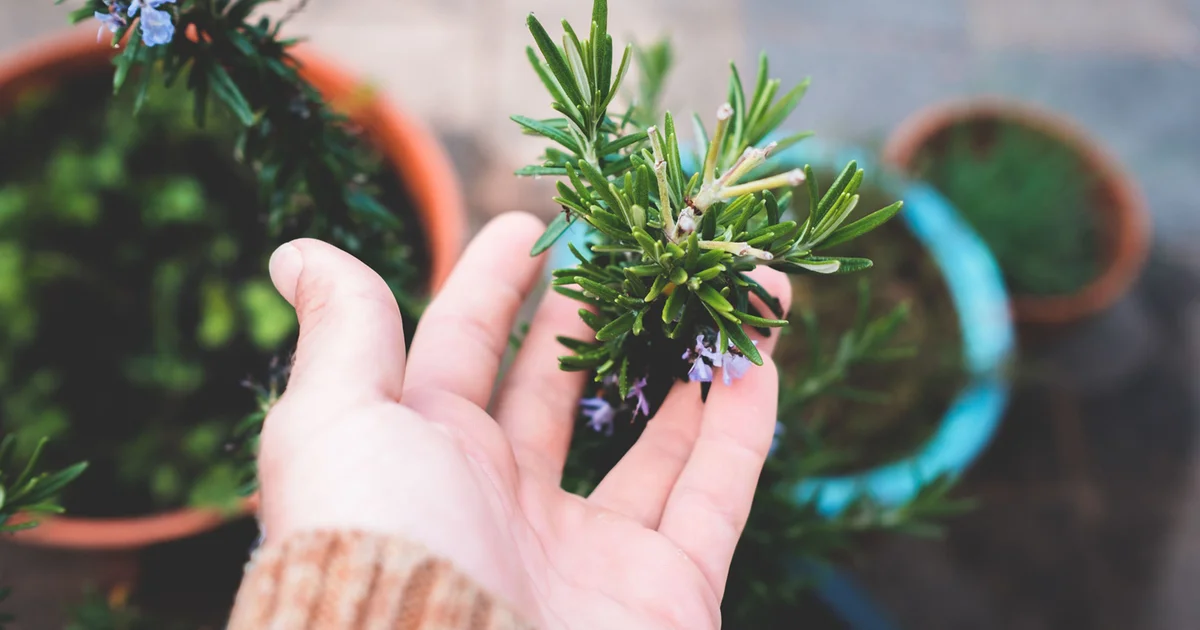
The Beginner’s Guide to Growing Rosemary in Containers
Bring the savory flavors of the Mediterranean straight to your balcony with this foolproof guide to container-grown rosemary. Known for its incredible fragrance and hardy nature, rosemary is the perfect low-maintenance herb for beginners. Skip the frustration of seeds and start with a vibrant nursery transplant. By pairing a breathable terra cotta pot with sharp-draining soil and giving it plenty of direct sunlight, you will set your plant up for long-term success. Master the art of underwatering, snip your stems correctly, and enjoy fresh, homegrown rosemary all year round!
Rosemary is one of the most rewarding herbs to grow on a balcony. It’s fragrant, delicious, and incredibly resilient once established. Because it naturally thrives in rocky, Mediterranean cliffs, it actually prefers container life over soggy garden soil.
Here is how a beginner can grow rosemary from scratch and keep it thriving.
Step 1: Start with a Starter Plant (Not Seeds) While you can grow rosemary from seeds, they are notoriously slow to germinate and have a high failure rate for beginners. For the highest chance of success, buy a small starter plant (transplant) from a local nursery, or ask a friend for a stem cutting rooted in water.
Step 2: Choose the Right Pot and Soil Rosemary hates "wet feet" (roots sitting in stagnant water).
The Pot: Choose a pot that is at least 8–10 inches in diameter with large drainage holes at the bottom. Terra cotta or clay pots are ideal because they breathe and allow the soil to dry out efficiently.
The Soil: Do not use standard, heavy garden soil. Mix a high-quality potting mix with a few handfuls of perlite or coarse sand (roughly a 3:1 ratio). This mimics Mediterranean soil by ensuring water drains away instantly.
Step 3: Location and Sunlight Rosemary is a sun worshipper. It needs at least 6 to 8 hours of direct sunlight daily. Place your container in the absolute sunniest spot on your balcony (usually south- or west-facing). If it doesn't get enough light, it will become leggy, weak, and lose its fragrant oils.
Step 4: The Golden Rule of Watering The number one killer of rosemary is overwatering.
The Finger Test: Never water on a schedule. Stick your finger two inches deep into the soil; water only when that soil feels completely dry.
How to water: When you do water, drench the soil thoroughly until water runs out of the bottom holes, then empty the drainage saucer so the pot isn't sitting in a puddle.
Step 5: Harvesting for Growth Once your plant is about 6 inches tall, start harvesting! Regular trimming actually encourages the plant to bush out instead of growing into a single, woody stick.
How to snip: Always cut the top 2–3 inches of green, flexible stems. Never cut into the woody base of the plant, as new leaves cannot grow from old wood.
Pro Tip: Rosemary is a perennial, meaning it can live for years. If you live in an area with freezing winters, simply bring your container indoors to a sunny window until spring!